1. Defining the category by what it is not
The clearest way to understand skin boosters is by exclusion. They are not dermal fillers, because they are not intended to occupy space or create contour. They are not botulinum toxin, because they do not act on muscle. They are not resurfacing, because they do not remove or damage the surface to provoke repair.
What they do is put a hydrating, sometimes mildly stimulating material into the dermis in many small deposits over an area, in the expectation that the skin's own environment improves. The products vary: some are pure uncrosslinked hyaluronic acid, some are lightly crosslinked, some combine hyaluronic acid with glycerol or with amino acids, and some contain other components intended to support the skin's own repair.
2. The proposed mechanism, and where the evidence sits
Hyaluronic acid holds water. Placed in the dermis, it hydrates locally and, according to laboratory and some clinical work, may also provoke a mild fibroblast response, which is the cell population responsible for producing collagen. The argument is that hydration plus a gentle stimulus produces skin that is more supple and reflects light better.
The evidence for that is real but modest, and it is worth being clear about its shape. There are published clinical studies. They are typically small, short, and frequently supported by the manufacturer of the product being studied. Outcomes are often measured with instruments or with rating scales applied to photographs, and photographic assessment is not always blinded. Independent replication by researchers with no commercial interest is the layer this category is thinnest on.
None of that means the treatments do nothing. It means the sensible reading is: modest, gradual, plausible, and considerably less dramatic than the before and after imagery.
3. What a realistic result looks like
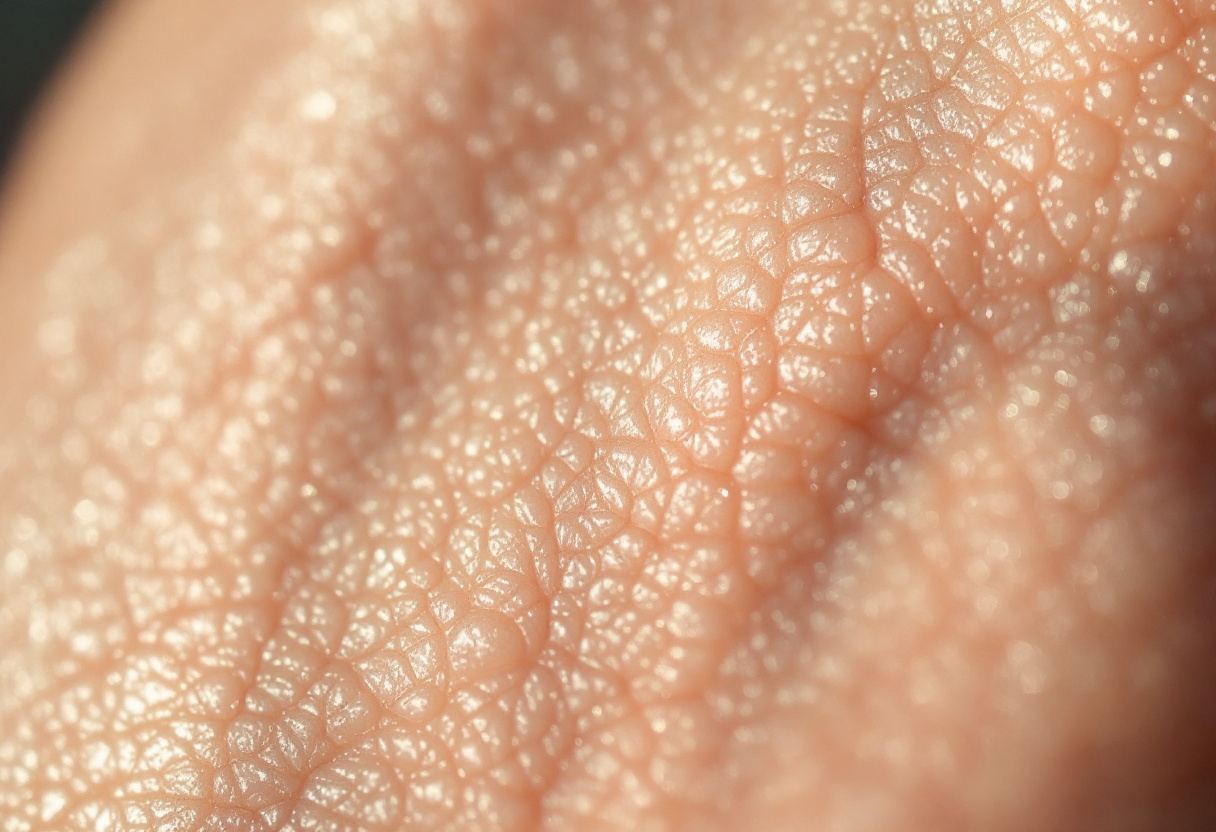
Better light reflection off the skin. A reduction in the fine crepey texture that shows up under directional light, particularly on the cheeks, neck and around the eyes. Skin that feels less tight and looks less dull. That is the plausible list.
What it does not include: a change in facial shape, a lift, an improvement in deep static lines, a change in pigmentation or a reduction in laxity. If sagging is the complaint, this category is the wrong answer, and the right answer may be that nothing non surgical will meet the expectation.
Results build over weeks and require a course. Expect to judge after the full course plus a month, not after the first session.
4. Who it suits, and who it does not
It suits people whose complaint is genuinely about surface quality rather than shape: dull, dehydrated skin, fine crepiness, the neck, the backs of the hands and the area under the eyes where fillers are risky and heavy.
It suits people who have already got the foundations right. Injectable hydration layered on top of daily sun protection and a stable routine is a reasonable addition. Injectable hydration used as a substitute for either is expensive theatre.
It does not suit anyone hoping for a structural change, and it does not suit anyone unwilling to commit to the course, because a single session of most products in this category produces very little that lasts.
5. Risks and downtime
The technique involves many small injections, so bruising and small raised bumps at each deposit are normal and typically settle within twenty four to seventy two hours depending on the product and the depth. Some products leave visible papules for longer, which is worth knowing before an event.
Beyond that, the risk profile is that of any injectable: infection, hypersensitivity, and the rare possibility of a vascular event, which is lower here than with volumising filler because the deposits are small and superficial but is not zero. Nodules and delayed inflammatory reactions are described with hyaluronic acid products generally.
Because these are hyaluronic acid based, they are medical devices rather than medicines in the UK, with the regulatory consequences set out in our regulation guide.
Skin booster, single session, one full face treatment
Product costs in this category are relatively consistent, so the range is driven by the number of syringes used, whether the neck and hands are included, and who is doing it.
The number to ask for is the course price, not the session price. A session at the bottom of this band, multiplied by three, plus twice yearly maintenance, is a materially different commitment from what the headline suggests.
An indicative editorial band, not a survey, not a quote and not a recommendation. How we build these bands.
6. Reading the marketing
Three words should slow you down in this category. "Glow" is not a clinical outcome and cannot be measured, which is precisely why it is used. "Bio-remodelling" is a manufacturer's term for a proposed mechanism, not an established one, and it is doing a lot of work in a lot of adverts. And "collagen stimulating" is a claim about a process, not about a visible result, and the two are not the same thing.
The second thing to notice is the imagery. Skin quality photographs are extraordinarily sensitive to lighting, makeup and post processing. A before shot under flat overhead light and an after shot under soft diffused light will show a difference that no injectable produced. Our guide to before and after photographs covers what to check.
7. What else addresses the same complaint
Daily broad spectrum sun protection is the intervention with the strongest evidence for skin quality over time, and it is the cheapest thing in this article by a wide margin. A topical retinoid has a substantial evidence base for texture and fine lines. Managing sleep, alcohol and smoking changes skin appearance more than most people want to hear.
Among procedures, chemical peels and microneedling address texture through different mechanisms and may suit the same complaint. None of these are exclusive alternatives, and a practitioner who presents an injectable as the only route to better skin is selling inventory rather than assessing a face.